
Decades ago, chemists seeking stronger disinfectants stumbled upon chlorinated phenols. Trichlorophenol quickly earned a reputation for handling bacteria and fungi where basic cleansers fell short. In the 1930s and 1940s, it started popping up in wood preservatives and pesticides—applications shaped by intense efforts to ward off mold and insects. As pressure built against using persistent, hazardous chemicals, regulators forced a harder look at what made trichlorophenol tick. So, scientists learned to balance its strengths with the necessity for tighter control, leading to a patchwork of bans and restrictions that shaped its modern presence in industry and research.
Trichlorophenol covers a group of six isomers, but the ones folks mostly talk about are 2,4,6-trichlorophenol (TCP) and 2,4,5-trichlorophenol. Companies offer these mostly as white crystals or slightly off-white powders. The strong, sharp, medicinal smell hits hard even at low concentrations—an instant giveaway to anyone who has cracked open a drum. These days, TCP shows up in specialized disinfectants, industrial biocides, and as an intermediate in dye and herbicide manufacturing.
Pure trichlorophenol brings a melting point right around 69°C for the 2,4,6-isomer. Slide open a safety data sheet, and the boiling point spikes above 240°C. It barely dissolves in cold water, but alcohols and ethers break it down readily. Trichlorophenol is lipophilic, tending to stick to organic matter in the environment. The heavy chlorine load tips the balance toward persistence, so traces can linger in soils and sediments far longer than companies once assumed. All these properties make blending it into products a careful balancing act—not every application can afford its stubbornness or scent.
Stocked industrially at purities above 99%, TCP comes labeled with hazard warnings that jump out: corrosive, toxic, and environmentally hazardous. The most reputable suppliers stake their reputation on tight quality control, detailed batch certifications, and clear chain-of-custody records. Some labels call it out by specific isomer and analytical grade, and others use catch-all terms like “technical trichlorophenol.” Regulatory codes, like CAS numbers and UN identifiers, help customs agents and end-users sort out exactly what sits inside the barrel.
Historically, manufacturers relied on direct chlorination of phenol under controlled temperature and pH. By feeding chlorine gas through aqueous phenol and fine-tuning acidity, they persuaded the reaction toward the trichloro products. Modern refinements eliminate as many byproducts as possible—especially dioxins, which haunted old processes and spurred international safety reforms. Today’s plants run under strict exhaust and effluent monitoring, often recycling leftover chlorine or solvent. It’s messy chemistry, but without shortcuts, there’s no clean product.
Trichlorophenol acts like many phenols but with a handful of tricks. Chlorine atoms make the ring less reactive, so further substitution calls for trickier catalysts or harsher conditions. TCP serves as a launchpad for ether or ester synthesis, transforming into germ-killing agents used by hospitals and agriculture. Heat or harsh base can force TCP into dechlorination, producing less toxic chlorophenols—a handy route for remediation and waste treatment. On its own, it’s an oxidative workhorse; under UV, it can degrade into even smaller and sometimes nastier chlorinated organics, demanding close attention wherever releases could occur.
2,4,6-Trichlorophenol travels under more than one name—trichlorophenol, TCP, Dowicide 2, and phenol, trichloro-, just for starters. International regulators settle on standardized handles, but trade names still pop up in old technical documents, regulatory filings, and oral histories of chemical manufacturing. This confusion has fueled its share of missteps and mix-ups, reinforcing why robust product labeling and staff training matter as much as choking hazards or spill protocols.
In workshops and warehouses, no one handles trichlorophenol without eye protection, thick gloves, and chemical aprons. Inhalation or skin contact causes burning, so ventilation systems, fume hoods, and emergency showers come standard in every facility still working with the compound. Rules get tightest around spills and fire: the compound releases chlorinated fumes if burned, so dry chemical or foam extinguishers trump water. Workers sit through annual safety training focused on trichlorophenol’s nasty side effects, and disposal follows strict hazardous waste protocols enforced by EPA, OSHA, and their international counterparts.
TCP once dominated wood treatment, helping utilities and railroad companies extend the life of telephone poles and ties. In pesticides, it shielded crops from fungal invasions. Shifting health research clipped its wings, and now its main niche comes from closed-system intermediates for manufacturing. Some labs employ it to synthesize medicines or dyes, banking on its aggressive chemistry as a building block. The compound’s story mirrors that of so many powerful chemicals—high hopes, broad application, then careful withdrawal as the risks caught up.
Universities and private labs still study trichlorophenol, not to boost production but to tame its downsides. Current research focuses on breaking it down in polluted sites—catalytic treatments, advanced oxidation, and newer bioremediation tricks. Scientists hunt enzymes that chew through TCP’s rings, hoping nature will lend a hand where engineered chemicals stall out. Other teams look at safe substitutes, trying to capture TCP’s disinfecting power with less environmental punch. These efforts move slowly—testing, retesting, and reviewing before anything hits the market or therapy pipeline.
The darker side of trichlorophenol has always drawn scrutiny from toxicologists. Lab animal studies highlight liver, kidney, and nervous system damage at moderate doses. Chronic exposure links to cancers and birth defects—bad press tracing back to contaminated batches and unfiltered emissions decades ago. Research keeps tabs on its stubborn presence in water, where fish and amphibians suffer from even low levels. Updated biomonitoring surveys measure exposure risk among industrial workers, flagging cancer trends or hormonal imbalances for action at the policy level.
People still debate how much space TCP deserves in the modern chemical world. Its hardiness marks it out as a tool best reserved for closed-cycle manufacturing—where leaks, emissions, and worker exposure stay minimal. Governments keep clamping down, often listing it beside dioxins and PCBs for cleanup and replacement. The push grows for biodegradable antimicrobials and lower-impact biocides, both for greener industry and cleaner public health. Some advocates believe future breakthroughs in enzyme-based degradation or safer, greener synthesis will eventually sideline trichlorophenol, finally closing its complicated chapter among persistent organic pollutants.
Trichlorophenol isn’t a term you hear around the dinner table, but plenty of people have encountered its effects without realizing it. This chemical, a chlorinated derivative of phenol, pops up in industry, agriculture, and even in discussions about environmental health. Lately, there’s been a renewed push to understand where and how this compound shows up in daily life.
Factories that churn out wood preservatives and pesticides often count on trichlorophenol as a main building block. Wood treated with such preservatives doesn’t rot as quickly or fall prey to termites. Growing up in a rural area, I noticed fence posts that never seemed to decay—not a hint of fungus, no sign of insects. After learning how these posts get treated, I started to pay closer attention to what keeps that wood so sturdy: chemicals like trichlorophenol are often part of that story.
Besides wood preservation, companies use trichlorophenol to help create herbicides such as 2,4,5-T and pesticides that end up in fields and gardens. These chemicals protect crops from aggressive weeds and bugs. There’s a trade-off, though—powerful enough to wipe out pests sometimes means powerful enough to stick around in the soil and water.
Nobody wants harsh chemicals in their backyard or water supply. Trichlorophenol doesn’t just vanish after use; it lingers. Exposure can happen through contact with treated materials, contaminated water, or even through the air in certain workplaces. Long-term exposure may affect liver function and could be linked to cancer risk. Regulatory agencies like the Environmental Protection Agency flag trichlorophenol as a substance worth monitoring. From my own reading, I found reports about high concentrations near wood treatment plants, where local health officials sometimes issue warnings for residents.
Once, while working with a team on a riverside restoration project, local soil tests showed small traces of chemicals used decades ago, trichlorophenol among them. That shook me. The chemical’s persistence forced a hard conversation about the legacy of industry and land use. Cleaning up wasn’t easy or cheap. We used activated carbon to trap contaminants and relied on ongoing soil monitoring to make sure nothing slipped through. The experience drove home how choices from years past can shape the health of a community for generations.
Alternatives exist. More companies lean toward natural preservatives and pest control methods, recognizing the value of keeping toxic substances out of the environment. Regulations now call for safer handling, improved worker protections, and tighter controls on how chemicals like trichlorophenol get disposed of. People push for tougher standards because the risks feel personal—nobody wants polluted water or sick family members.
Balancing innovation, public health, and environmental safety is never simple. Learning about where chemicals like trichlorophenol fit into that picture helps everyone make smarter, safer choices. From backyard gardeners to city planners, understanding these impacts fuels better decisions about the products and methods we rely on every day.
Trichlorophenol rarely makes headlines, but it has crept into daily life because of its use in disinfectants, pesticides, and wood preservatives. Years ago, I learned about Trichlorophenol from an old neighbor who worked at a lumber mill. He complained of chronic coughs and skin rashes, which he blamed on the chemical fumes around his job. What struck me was how little attention anyone seemed to pay, even though these symptoms were more than a small inconvenience.
This chemical doesn’t just give off a strong odor; it lingers in the air and clings to surfaces. Researchers have found that exposure, especially at high levels, can damage the liver and kidneys. They have also linked contact with Trichlorophenol to respiratory irritation, skin burns, and eye damage. There’s ongoing research into whether it causes cancer. Animal studies suggest long-term, heavy exposure can lead to tumors, prompting the International Agency for Research on Cancer (IARC) to flag it as a possible carcinogen.
A 2022 review in the journal Environmental Science and Pollution Research pointed out that children experience more severe effects than adults even with lower doses. Their bodies process chemicals differently, and since playground equipment and lawns sometimes get treated with products containing Trichlorophenol, that raises some real red flags.
Some workers have it even tougher. According to the U.S. National Institute for Occupational Safety and Health (NIOSH), factory workers exposed to Trichlorophenol need masks, gloves, and regular health checks. Yet on job sites where safety isn’t enforced, people cut corners. No one wants to lose a paycheck, so workers risk direct contact or inhale fumes—sometimes every day. The U.S. Environmental Protection Agency restricts its use in household cleaning agents, but the chemical stays in many industrial products, and not every country matches those rules.
Many folks toss out old treated wood without a second thought or spray yards with strong pesticides. It’s easy to forget that the chemical can seep into soil and eventually reach water sources. Some towns have seen elevated levels in drinking water, triggering community protests. It's not only workers who face exposure; families and neighbors get caught in the circle, too.
Not everyone can switch jobs or move neighborhoods, but people can start by checking labels and asking questions. Anyone working with pesticides or treated wood will want to follow strict safety routines—gloves, good ventilation, and regular washing up. Local governments might step up water testing and public education about chemicals in household products. Schools could reroute kids away from freshly treated fields or playgrounds.
Large companies have the power to reformulate products, swap out dangerous chemicals, or apply stricter limits to protect workers. Communities could band together, demanding safer alternatives and more frequent monitoring. Stronger enforcement from regulators won’t solve everything, but it could turn the tide. Protecting health means treating Trichlorophenol more like an ongoing risk than a forgotten footnote on a product label.
Trichlorophenol catches attention for its use in disinfectants and as a starting point for other chemicals. The story rarely hits the headlines, but anyone working around it can tell you storing it right can make the difference between a safe workday and a trip to the hospital. I learned this firsthand in my early career at a manufacturing site, where a leaky drum set off days of cleanup and left a coworker with mild burns. Real consequences can hit because of shortcuts or a lack of awareness.
Part of the challenge comes from its nature. Trichlorophenol doesn’t look all that threatening on the surface—it’s usually a solid or oily liquid with a sharp smell—but it packs a punch. It releases fumes that sting the eyes, nose, and skin, and breathing it over time can lead to headaches or worse. The Environmental Protection Agency lists it among priority pollutants for a reason: toxicity and tendency to slip into soil and water, causing harm both in the factory and outside.
The real solution begins with picking the right storage containers. Metal drums with tight lids remain the standard because plastic tends to wear down under chemical stress. At our plant, I learned the importance of checking drum seals before each use—cracked or rusty clasps quickly spell trouble. Staff often miss these small defects during a rush, so regular inspection rounds save everyone headaches.
Temperature control plays a bigger role than some expect. Heat can boost the evaporation of trichlorophenol, spreading irritating fumes and adding to the risk of fire. If the storage room feels as hot as a car in the sun, you need a better system—a dedicated cool, dry space with good ventilation and no direct sunlight. Colleagues once dismissed a blocked vent as “no big deal” until fumes spread next door. A well-aired space always makes for a safer shift.
Trichlorophenol doesn’t get along with strong acids, metals, or alkalis. I saw a textbook case where a misplaced acid drum shared space on the same shelf. Luckily, someone spotted it before the mix caused any real harm, but not everyone gets that chance. Keep a clear, labeled separation between containers. Training workers to read hazard warnings and understand what they’re storing next to each other pays off.
Personal safety gear always belongs nearby—goggles, gloves, and chemical-resistant aprons aren’t optional. I recall one apprentice heading into the storage area with just a regular cotton shirt, claiming it “was only for a minute.” One splash later, he wasn’t laughing. Safety showers and eye wash stations close at hand help in emergencies and offer some peace of mind.
Solid safety programs come down to records and teamwork. Sign-out sheets for containers, regular safety drills, and a clear protocol for reporting spills keep standards from slipping. People tend to follow rules more closely when they feel invested and know that everyone else is watching out for hazards, not just themselves.
Safe storage for trichlorophenol won’t make headlines. In the rooms where this substance gets handled, good habits and clear routines help everyone get home safe at the end of their shift.
Trichlorophenol turns up in places you’d least expect. Known for its use in pesticides, wood preservatives, and disinfectants, it lingers long after its intended job wraps up. Once I started learning about the chemicals behind garden products, Trichlorophenol leaped out as a repeat offender. It isn’t a household name, yet its fingerprints show up in soil, rivers, and even the air near manufacturing sites.
I’ve seen small streams twist through fields that used to be treated with wood preservatives. The water, clear to the eye, often carried a chemical scent during warm months. Trichlorophenol seeps into this water. Unlike some compounds, it doesn’t just break down overnight. Instead, it can stick around for months, slowly moving through the soil and contaminating groundwater. EPA studies flag it as persistent in the environment, with potential to travel miles downstream or leach into wells. Frogs and fish take the brunt, absorbing it through skin and gills, and concentrations rise as it climbs the food web. Birds feeding on contaminated insects can experience reproductive issues and immune system strain. Neighboring farmland and homes may eventually receive traces, even if no one sprayed a drop nearby.
What scientists learned about dioxins helped clarify Trichlorophenol’s danger. The chemical acts as a building block for dioxins – some of the most toxic substances known. Back in college, I followed the local debate over a cleanup site near the river. Many people dismissed the risks, but tests showed dioxins forming whenever Trichlorophenol broke down under sunlight or high heat. These slip into animal fat, pile up over years, and push cancer risks higher. Studies from the Agency for Toxic Substances and Disease Registry link Trichlorophenol exposure in water and air with liver and immune problems in both animals and people. Children and pregnant women face extra danger, since even small amounts over time can impact development.
Farmers don’t always see what’s hiding in the soil. I remember asking a neighbor why her tomatoes grew stunted for two summers after she used old railroad ties as garden borders. Trichlorophenol leached into the plot, and her harvest dropped by half. Soil bacteria and earthworms start to vanish as traces of the compound build up, disturbing nutrient cycles. Over time, less plant growth and damaged roots reduce what a field can produce, raising costs for growers and threatening food security in vulnerable regions.
Cutting back Trichlorophenol use relies on better oversight and clear alternatives. EPA and EU regulations have reduced many industrial sources, but legacy pollution remains. I’ve seen communities rally around phytoremediation projects, using plants like willow and poplar to soak up these lingering toxins. Regular soil and water testing make invisible problems easier to spot before they spread. On a personal level, supporting sustainably sourced wood products and opting for natural garden treatments keeps new Trichlorophenol from entering the cycle. Technologies for chemical cleanup, including activated carbon filters and advanced oxidation systems, need to see broader investment. Collaboration between local governments, scientists, and the public opens doors to lasting change, shrinking this chemical’s shadow for future generations.
Trichlorophenol, a group of chemicals used in many industrial applications, carries some real dangers if handled carelessly. Inhaling dust or fumes can cause severe respiratory irritation, and just touching the substance may lead to burns or rashes. Exposure over time even piles on bigger risks, from possible organ damage to potential links with cancer, given the way chlorinated chemicals can behave in the body.
Several decades ago, folks who worked with pesticides learned this lesson hard. Trichlorophenol showed up in the manufacturing of herbicides and disinfectants, and many workers started reporting cases of chloracne, a skin condition linked to this class of chemicals. Later studies have called for tighter workplace controls. Lab techs, factory floor workers, anybody dealing with trichlorophenol owes it to themselves and their families to take safety seriously.
No one wants to risk their health for a paycheck. A good place to start is proper personal protective equipment, or PPE. Gloves made from nitrile, neoprene, or butyl rubber give much better resistance than ordinary latex. Chemical splash goggles or a face shield will keep fumes and droplets away from your eyes. Respirators matter too, especially when working in small areas or places with poor ventilation. A half-face respirator with the right cartridges can mean the difference between a close call and a trip to the hospital.
Folks often overlook clothing—long sleeves, chemical aprons, and sturdy shoes are just as important as gloves and masks. If clothes get contaminated, ditch them right away and wash the skin beneath thoroughly with soap and water. Even a small splash can do damage.
Companies must keep up with proper engineering controls. Every workspace using or storing this chemical needs effective fume hoods, exhaust fans, and spill containment. Local exhaust systems, which vent hazardous vapors directly outdoors, make a huge difference in air quality. An emergency shower and eyewash station belong within easy reach, so anybody exposed can respond fast.
Safe handling procedures and worker training keep mistakes from piling up. Anyone tasked with using trichlorophenol deserves training not just once but on a regular basis to stay sharp. Employers should post up-to-date Material Safety Data Sheets (MSDS) right where staff see them, so everyone knows the symptoms of exposure and what to do in an emergency. It doesn’t hurt to run drills, either.
Storing trichlorophenol means using tightly sealed containers, kept out of sunlight and away from heat. Label everything clearly, with warning signs for those nearby. Don’t stash anything near food, water, or break areas.
Unsafe dumping creates threats for neighborhoods and wildlife, so chemical waste needs a plan. Contacting a licensed hazardous waste disposal service stops toxins from leaching into the soil or waterways. Check with local environmental agencies for current laws—regulations can change, and ignorance doesn’t cut any slack if there’s a mishap.
Even as technology advances, plenty of people still get sick from accidents that could have been avoided. From my experience doing lab safety audits, it’s usually not from lack of equipment, but from skipping inspections or getting sloppy with habit. It takes real commitment to follow rules every single shift. That’s how you keep everyone safe, including coworkers who trust you’ll handle things right.
No shortcut replaces preparation, and nobody gets a second chance with chemicals like trichlorophenol. Respect the risk and keep safety at the top of your priorities.
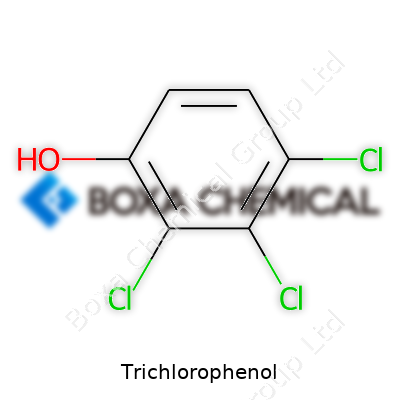
| Names | |
| Preferred IUPAC name | 2,4,6-Trichlorophenol |
| Other names |
TCP 2,4,6-Trichlorophenol |
| Pronunciation | /traɪˌklɔːrəˈfiːnɒl/ |
| Identifiers | |
| CAS Number | 88-06-2 |
| Beilstein Reference | 1209229 |
| ChEBI | CHEBI:27998 |
| ChEMBL | CHEMBL27233 |
| ChemSpider | 5289 |
| DrugBank | DB07906 |
| ECHA InfoCard | Trichlorophenol (ECHA InfoCard: 100.003.235) |
| EC Number | 201-778-6 |
| Gmelin Reference | 8775 |
| KEGG | C02540 |
| MeSH | D014258 |
| PubChem CID | 7936 |
| RTECS number | SN6475000 |
| UNII | 0GB7LO5F3N |
| UN number | 2811 |
| Properties | |
| Chemical formula | C6H3Cl3O |
| Molar mass | 197.45 g/mol |
| Appearance | White crystalline solid |
| Odor | Phenolic |
| Density | 1.49 g/cm³ |
| Solubility in water | slightly soluble |
| log P | 2.85 |
| Vapor pressure | 0.38 mmHg (20°C) |
| Acidity (pKa) | 8.5 |
| Basicity (pKb) | 8.0 |
| Magnetic susceptibility (χ) | -74.0·10⁻⁶ cm³/mol |
| Refractive index (nD) | 1.595 |
| Viscosity | 1.74 mPa·s (at 20 °C) |
| Dipole moment | 2.94 D |
| Thermochemistry | |
| Std molar entropy (S⦵298) | 160.7 J·mol⁻¹·K⁻¹ |
| Std enthalpy of formation (ΔfH⦵298) | “-250.7 kJ/mol” |
| Std enthalpy of combustion (ΔcH⦵298) | -1401.7 kJ/mol |
| Pharmacology | |
| ATC code | D08AE02 |
| Hazards | |
| Main hazards | Toxic if swallowed, harmful in contact with skin, causes severe skin burns and eye damage, may cause respiratory irritation. |
| GHS labelling | GHS02, GHS05, GHS06, GHS08 |
| Pictograms | GHS05,GHS06,GHS08 |
| Signal word | Danger |
| Hazard statements | H301+H311+H331, H314, H410 |
| Precautionary statements | P260, P261, P264, P270, P271, P273, P280, P301+P310, P302+P352, P305+P351+P338, P310, P321, P330, P363, P391, P403+P233, P405, P501 |
| NFPA 704 (fire diamond) | 3-1-2-W |
| Flash point | 104°C |
| Autoignition temperature | 335 °C |
| Explosive limits | Explosive limits: 2.5–16% |
| Lethal dose or concentration | LD50 oral rat 820 mg/kg |
| LD50 (median dose) | LD50 (median dose): 820 mg/kg (oral, rat) |
| NIOSH | SN1575000 |
| PEL (Permissible) | 5 ppm |
| REL (Recommended) | 0.5 mg/m³ |
| IDLH (Immediate danger) | 15 ppm |
| Related compounds | |
| Related compounds |
Chlorophenol Dichlorophenol Pentachlorophenol |




