
The story behind 4-Chloro-3,5-xylenol goes back to the early days of modern hygiene, during a time when rising urban populations made clean environments a matter of survival. At first, people turned to crude formulations, but as chemistry advanced, so did the push for targeted antiseptics. By the 1920s, scientists began searching for reliable molecules that could help tackle bactericidal challenges in hospitals and public health. The structure of 4-Chloro-3,5-xylenol, inspired by research into chlorinated phenols, fit the bill. British chemists, working from phenolic antiseptics, identified the promise of this compound for its substantial antimicrobial punch without raising too many safety concerns for humans. It quickly found a place in soaps and personal-care products. Today, if you walk into any clinic, you will likely come across a formulation based on this proven substance.
People know 4-Chloro-3,5-xylenol by its trade names like PCMX or para-chloro-meta-xylenol. Its role reaches far beyond just another entry in the chemical register. As an active ingredient in cleaning and hygiene agents, it plays a sturdy hand in keeping surfaces and skin clear of microbes. In the marketplace, it lines household and commercial shelves in everything from liquid soaps to surface disinfectants, always touting broad-spectrum activity against bacteria, fungi, and some viruses. Its significance gets reinforced by the steady stream of regulatory approvals in markets concerned with antimicrobial resistance and environmental safety.
4-Chloro-3,5-xylenol crystallizes as a white or off-white powder with a faint medicinal odor. Its molecular formula, C8H9ClO, gives it a molar mass of about 156.6 g/mol—compact enough for a potent punch in solution. Solubility doesn’t reach the levels of ethanol, but it disperses in organic solvents and forms stable emulsions in water, key for liquid applications. Its melting range, usually between 114–116°C, speaks to purity and ease of storage. Chemists pay attention to the stability; the phenolic structure holds up under shelf conditions, which helps maintain potency across product lines. Its pH tolerance, effectiveness under both mildly acidic and slightly alkaline conditions, broadens its use in cleaning agents.
Anyone who works in manufacturing or regulation takes labeling seriously. For 4-Chloro-3,5-xylenol, a typical technical sheet covers minimum purity levels—often not less than 98%—and lists identification numbers like CAS 88-04-0 and EC 201-793-8. The product arrives from suppliers in double-walled packaging to keep out moisture and light, which can degrade phenolic compounds. On the safety labels, warnings reflect its ability to irritate eyes and skin, so the gear in warehouses and filling lines follows those instructions closely. Companies selling to the EU or US stick to specifications set by USP, BP, or ECHA, ensuring batch-to-batch consistency.
Synthesizing 4-Chloro-3,5-xylenol takes several smart moves in the lab. Most processes rely on the Friedel-Crafts alkylation of chlorophenol with xylene, where selectivity plays a big role. Over-alkylation and side reactions can muddy up yields, and any impurities make purification tougher. Reaction temperature, catalyst timing, and work-up routines decide how much product a run yields. After that, washing and recrystallizing ensure the purity demanded in pharmaceutical and antiseptic applications. In my years around chemical plants, the checklist for process safety and quality control on this synthesis is longer than the reaction protocol itself.
The chemistry behind 4-Chloro-3,5-xylenol lends itself to a few clever tweaks. Its phenolic ring, activated for electrophilic substitution, becomes a foundation for further halogenation or etherification, which tailors antimicrobial action or solubility. Researchers and industrial chemists have explored sulfonation to improve water solubility and offer milder action against sensitive skin. In formulations, the compound partners with surfactants or solvents to avoid precipitation—a lesson picked up fast in the early days of liquid soap production. On a bench scale, acid and base reactions reveal its resilience and possible decomposition products, a subject that matters if disposal and environmental fate are on your checklist.
Walking through a lab or browsing a product catalog, you’ll see 4-Chloro-3,5-xylenol under plenty of guises: PCMX, Chloroxylenol, Parachlorometaxylenol, and even Dettol’s key ingredient. Healthcare workers and procurement officers often recognize it by whichever synonym appears most in hospital formularies. Regulatory filings, depending on geography, prefer the IUPAC label, so it pays to memorize more than one name if sourcing for international operations.
Managing risk is core where chemicals interact with people. In my experience, handling 4-Chloro-3,5-xylenol requires no less vigilance than strong acids. It irritates eyes and skin, so gloves and eye shields stay close at hand. Fine powder can become airborne if the ventilation system falters. Safety data sheets, along with hazard labels, keep reminders clear for everyone. Waste streams run through neutralization steps to protect water sources; compliance teams maintain logs that can satisfy both EPA and EU REACH inspectors. Storage stays dry, cool, and away from reactive partners. Health and safety officers don’t let routine breed shortcuts, especially around compounds meant to knock out germs.
Outside of soaps and disinfectants, applications for 4-Chloro-3,5-xylenol keep growing. Medical clinics use it in wound-cleansing solutions and surface decontamination wipes. Dentists trust it for endodontic irrigants. Even veterinary offices and food processing plants look to PCMX when searching for efficacy against stubborn pathogens. Its compatibility with detergents, plus a neutral scent, makes it a favorite in household products, where regular handwashing keeps transmission of common microbes down. Municipalities incorporate it into sanitation strategies, and research facilities list it as a reference antimicrobial for benchmarking new substances.
Academic and private research teams continue to study 4-Chloro-3,5-xylenol’s interaction with a wide range of organisms. Recent studies target resistant strains, looking for weaknesses where existing disinfectants fail. Collaborations with microbiologists and toxicologists look at the rate of resistance development, since overuse of any antimicrobial leads to evolutionary pressures. Investigators tweak the molecule to mitigate environmental persistence or enhance biodegradability, a growing concern with persistent pollutants in water systems. In my own project teams, the focus usually falls on balancing performance with eco-compatibility—a tough but necessary line to walk in modern R&D. Open data from universities point to lower resistance rates compared to some quaternary disinfectants, although vigilance is never optional.
Assessing risk, scientists have spent decades mapping out the toxic profile of 4-Chloro-3,5-xylenol. Animal models show that ingestion and high exposure could harm internal organs, but acute toxicity for human users under controlled application remains low, especially when proper dilution rates are observed. Sensitization and allergic reactions do appear, so patch and exposure tests build a critical part of product trials. Drainage into aquatic environments raises alarms, since the compound resists breakdown and can affect some aquatic life. Environmental studies urge controlled disposal and favor advances in formulation that speed up degradation after discharge. None of this escapes the notice of product designers, who look for green chemistry solutions without setting aside antimicrobial power.
4-Chloro-3,5-xylenol’s future relies on adaptability. As the market and regulators push for sustainable and safer biocides, new research explores hybrids, encapsulated forms, and greener synthetic routes. I see industry and academia joining hands to understand how molecular redesign might hit tough bacteria harder, spoil the growth of resistance, and cut aquatic harm. Smart monitoring strategies track buildup where use is high, and policy moves point to tighter controls on concentration and marketing. With infectious diseases and hygiene remaining high priorities across the world, 4-Chloro-3,5-xylenol keeps earning a place at the table, not just as a proven performer, but as a benchmark for what further innovation in antiseptics could look like.
4-Chloro-3,5-xylenol shows up with names like PCMX on product labels. Some might ignore technical names on cleaning bottles, but this ingredient gets a lot more spotlight in healthcare settings and factories. At home or in hospitals, those clear liquid soaps with the antibacterial promise often contain it for one simple reason: germs, everywhere.
Hospitals and clinics trust this compound for disinfecting surfaces, instruments, and sometimes even hands. The reason runs deeper than simple habit. Studies from public health agencies confirm that PCMX kills bacteria and some fungi pretty well, especially the types that cause infections in hospitals. I’ve worked at clinics where nurses rely daily on products with this ingredient to clean up spills and wash hands after treatment—nobody wants bacteria hitchhiking from room to room.
You might not realize it’s in bar soap, household disinfectants, and even some medicated skin washes too. It works hard in bathrooms, kitchen sprays, and sometimes even wound cleansers. In countries like India, medicated soaps often list PCMX on the ingredient list. It’s less aggressive on skin than other biocides like triclosan or chlorhexidine. Skin feels less burnt, less tight, and that’s a relief when washing hands a dozen times a day.
People tend to underestimate germs clinging to phones, countertops, and faucets. Bacterial colonies—E. coli, Staph, and friends—spread fast without any visible warning. Surfaces that look clean might still carry bugs. PCMX has proven its worth in labs and real life by reducing bacterial counts where it gets used.
Not all disinfectants work equally well on skin and hard surfaces. Some cause irritation or break down quickly. 4-Chloro-3,5-xylenol stands out because many people tolerate it, even with frequent use. For those with allergies or sensitivities, it reduces itch and dryness compared to bleach or alcohol-heavy products. This matters in busy clinics and at home, especially for families dealing with eczema or young kids.
Safety checks for PCMX have been carried out for years. Agencies like the World Health Organization and US FDA have reviewed available evidence about human health effects, especially with repeated skin contact. Based on current data, it’s considered a lower risk for most users.
Every popular antibacterial faces the same challenge: germs might get smarter and resist treatment. Overusing any biocide could lead to “superbugs,” though so far, resistance to PCMX pops up less often than with other chemicals. Still, careful use makes sense. There’s no replacement for routine handwashing with plain soap except in healthcare or high-risk situations.
Hospitals can rely on PCMX for regular cleaning without switching to more toxic alternatives unless necessary. At home, users can follow instructions to avoid slathering it on every surface out of habit. Healthcare workers should keep up with industry updates, so they’re not using outdated products. And manufacturers can invest in ongoing research to stay ahead of germs’ tricks—keeping one step ahead has always mattered in infection control.
4-Chloro-3,5-xylenol shows up in a lot of unexpected places. It pops up in brands of antiseptic soap, surface cleaners, and some medicated creams, usually under the name PCMX. Walking down the pharmacy aisle, I’ve noticed it in the ingredient list of a few products that call themselves “antibacterial.” That makes me pay attention—especially since many folks count on it for preventing infections and keeping wounds clean. Safety matters most for anyone who touches these products daily, like healthcare workers and even parents cleaning scraped knees.
Skin tends to pick up signs of trouble before anything else. 4-Chloro-3,5-xylenol, at low concentrations, usually doesn’t bother most people. The World Health Organization and U.S. Environmental Protection Agency say these antiseptics work well and don’t build up in the body from normal use. Still, not every skin type welcomes it. My brother broke out in a red, itchy rash after using an antibacterial soap with PCMX for about a week. Later, we learned this kind of reaction is called contact dermatitis—inflammation due to direct contact with an irritant.
Reports from dermatology clinics point to cases where prolonged or repeated exposure leads to skin sensitivity. This seems to be more common in people with eczema or broken skin. Research suggests that healthy, intact skin protects against many of these side effects. A study published in a 2021 clinical journal tracked hospital workers who used chloroxylenol hand washes several times a shift and found a slightly higher number developed mild to moderate irritation compared to those using gentler cleansers.
Every year, poison control centers log calls about accidental exposure to household chemicals, including disinfectants with PCMX. Most cases stay mild, but experts warn that the problem grows with overuse or accidental swallowing. Animal studies report that very high doses or strong solutions caused health issues, but regulated consumer products use much lower concentrations.
The U.S. FDA still allows PCMX in certain over-the-counter antiseptics, but they review new evidence every few years. The European Chemicals Agency classifies it as a skin irritant, meaning some people face a real risk. These agencies look at toxicity, allergenic potential, and environmental impact. Weighing the help it brings against the chance of irritation has always steered health policy on this chemical.
No one has to stop using disinfectant soap right away. Check the label for concentration—less than 1% reduces skin risk. If irritation shows up, washing the area with water and switching to milder soap brings relief. Health professionals recommend gloves for jobs that need frequent exposure to antiseptics. I keep my skin in better shape by applying moisturizer after using strong cleansers. Reading labels and watching how my skin reacts gives me peace of mind and helps avoid problems.
Good hygiene matters, but I always try to strike a balance between staying safe from germs and not irritating my skin. A little knowledge about what’s in everyday disinfectants goes a long way.
4-Chloro-3,5-xylenol often shows up in products people use without much thought. You’ll notice it in soaps, surface disinfectants, and sometimes hand washes found at clinics or inside homes. Many recognize it as PCMX, and its job is simple: stop the growth of germs. Although it sounds technical, it has ended up in households because it's tough on microbes.
Touching or handling products with this chemical sometimes leaves the skin feeling uncomfortable. Common complaints include itching, mild redness, or a rash, particularly among those with more sensitive skin. Anyone using antibacterial soaps or cleaners too often or for too long can experience peeling or cracking, especially on hands that see a lot of scrubbing. From what I have seen in people who clean frequently, problems tend to appear at the knuckles or in the webbing between fingers.
Prolonged exposure sometimes triggers an allergic response that doesn’t clear up until stopping the product. Studies show a small group develop dermatitis after regular use, especially health workers or cleaners handling disinfectants day after day. It helps to rotate products or try gentler options, especially for children or older adults who deal with dryness more readily.
People sometimes forget that fumes from strong disinfectants reach the nose and throat. In poorly ventilated spaces, breathing those vapors brings out a sore throat, coughing, or watery eyes after scrubbing down bathrooms or hospital surfaces. It’s important to treat these symptoms seriously, especially in anyone with asthma or lung trouble, because repeated exposure piles up.
Research in occupational health points out that chemical cleaners without good airflow carry extra risks for the lungs—not just from this compound but from similar agents found nearby on the label. I've always preferred working with windows open, or stepping outside for a few minutes after using these products. Short breaks can make a clear difference.
Rarely, some people report headaches, nausea, or dizziness after using products with this antiseptic in closed spaces. Children seem especially bothered after touching treated surfaces and then tasting their fingers. Swallowing even a small amount accidentally can trigger burning in the mouth, belly aches, or vomiting. Poison control centers handle a handful of these calls each year, and the solutions usually center around rinsing out the mouth and drinking water without delay.
Long-term effects are still under debate. Right now, research hasn’t flagged cancer risks or major organ damage from normal, everyday use. Most issues pop up with too much contact, poor ventilation, or, occasionally, from mixing with other household chemicals.
No one wants to give up on clean hands or safe kitchens, but it pays to be aware of what’s in the bottle. Latex or nitrile gloves help shield the skin, especially for jobs that mean a lot of scrubbing. Keeping the windows open or running a fan keeps air moving. Reading instructions and storing cleansers out of children's reach remains the best way to steer clear of accidents.
If unusual reactions show up—redness, swelling, breathing trouble, or stomach problems—stop using the product and talk to a doctor. It helps to take the container or ingredients list along in case there’s a need for treatment or advice.
4-Chloro-3,5-xylenol shows up in antiseptics, cleaners, and some household products. Its antibacterial punch makes it popular, but there’s a flip side: it can be nasty for health when mishandled. Many folks bump into this chemical at work in labs, factories, or even storage warehouses. Because I've spent time around industrial chemicals, I picked up a few lessons on how storage plays a big role in keeping people—and the environment—safe.
Let’s be honest, people sometimes underestimate chemicals they see all the time. 4-Chloro-3,5-xylenol causes skin or eye irritation. Breathing it over time isn’t harmless, either. A dusty storeroom, unlabeled bottles, a loose cap—pretty soon, you’ve turned a regular workday into something the safety officer talks about for years. A warehouse I visited had bottles of this compound, forgotten in a back corner. The labels faded, some caps loose, and the air felt a little sharp to breathe. Workers saw it as just part of the job, but all it would have taken is one spill and a lack of proper cleanup for that job to become dangerous fast.
Dry, cool, and well-ventilated rooms work best for this compound. Moisture kicks off decomposition, and heat increases the chance of vapors or accidental reaction. Always keep containers sealed tightly. Hard plastic or glass containers with solid caps stop leaks and limit exposure. Don’t store 4-Chloro-3,5-xylenol near food, acids, oxidizers, or heat sources—cross contamination or an unwanted reaction could cause injury or worse. In my experience, clear and tough labels make all the difference. Labels should show not just the name, but also concentration, date received, and hazard warnings. I often remind colleagues that a faded label is a recipe for confusion and mistakes—especially in a busy storeroom.
OSHA and EPA have guidelines about storing hazardous chemicals, and 4-Chloro-3,5-xylenol falls under their umbrella. Ignoring these rules costs money through fines, but also invites harm to workers. I’ve seen supervisors count on hope instead of a good chemical log. That only works until something happens—then the lack of documentation turns a small incident into a nightmare. A lockable cabinet or a separate shelf marked for hazardous chemicals keeps 4-Chloro-3,5-xylenol away from casual traffic and prevents accidents from curiosity or error.
Regular checks make storage safer. Inventory needs to be kept up to date, and someone should always take five minutes to inspect containers for leaks or cracks. Ventilation keeps exposure low, making sure fumes don’t collect. In hot, humid climates, store chemicals in air-conditioned or at least shaded spots to avoid breakdown or pressure buildup. After witnessing one leaky bottle turn a harmless storeroom into a clean-up job requiring respirators, I never skip the basics: gloves, eye protection, and careful handling, every time. Training everyone who enters the storage area matters more than any manual sitting on a dusty shelf. Problems rarely announce themselves; most mistakes come from rushing or skipping steps we know are important.
Better storage starts with respect for the risks, not just regulation. Easy-to-find labels, sealed containers, cool rooms, and a clear list of what’s in storage lower the chances of trouble. Sharing the reasons behind each rule helps teams work smarter, not just follow orders. Chemical safety is everyone’s responsibility. Stories travel fast in the workplace—sharing the close calls and the reasons behind storage habits can do more to keep people safe than any poster or memo on the bulletin board.
4-Chloro-3,5-xylenol keeps popping up in antiseptic soaps, hand washes, and sometimes in medicated creams. I remember first coming across it when reading the back label of a bar soap as a kid, trying to figure out what made it so stubborn against germs. Over the years, its popularity held because it works, but also because governing bodies keep a close eye on how much gets used in products.
Trusted guidelines say concentrations usually top out at 0.5% in finished products used on the skin. There’s a reason for holding the line at half a percent. Studies have shown higher amounts don’t make for a cleaner result, but they do raise the risk of irritation, especially for sensitive folks or kids. For anyone mixing this compound into a product, sticking to this limit keeps consumer safety front and center.
Some over-the-counter disinfectants and cleansers set their dosages just shy of the official limit. Most liquid soaps at hospitals or clinics contain around 0.3%. You see this figure pop up often in pharmaceuticals because that level hits a sweet spot: effective at cutting down bacteria and fungi, gentle enough to avoid most cases of contact dermatitis.
The World Health Organization and agencies like the US FDA have data backing up this guidance. 4-Chloro-3,5-xylenol has shown reliable strength against Staphylococcus aureus and E. coli even below that 0.5% mark. Big hospitals use products sticking within these bounds, which helps control healthcare-associated infections without unnecessary risk.
Getting the dosage right sounds simple, but the laboratory reality tells a different story. Every raw material batch can vary slightly in purity, and it takes attention to detail at the mixing stage to hit the mark. Some small manufacturers have pushed boundaries to stand out, but traceability, batch testing, and audits keep most brands in line. Governments and independent labs sometimes pull random product samples to test that no shortcuts slip by.
Consumers—especially parents and people with allergies—have begun asking what’s inside their bottles. Labels now show real numbers, not just mysterious compound names. From what I’ve seen, the uptick in label transparency forced more accountability than any trade association rule book ever did.
One solution lies in education. Manufacturers should offer straightforward information not just to regulators, but to customers using their products every day. Sharing research that goes beyond the legal minimum can build trust. Another practical fix comes with internal quality control. Investing in reliable testing equipment and simple training programs can make a real difference, especially for growing companies.
For anyone making their own blends, or pharmacists compounding creams in-house, relying on published guidance instead of guesswork protects both the mixer and the patient. Stricter penalties for ignoring dosage rules could push the rare bad actors out of the game altogether.
4-Chloro-3,5-xylenol won’t be going anywhere soon. As long as infectious threats persist, so will the need for trusted formulations. Zeroing in on the right dosage isn’t just a requirement—it’s proof that science, common sense, and transparency can work together. That’s what gives both makers and users real peace of mind.
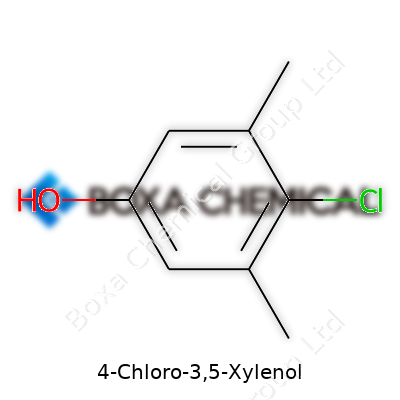
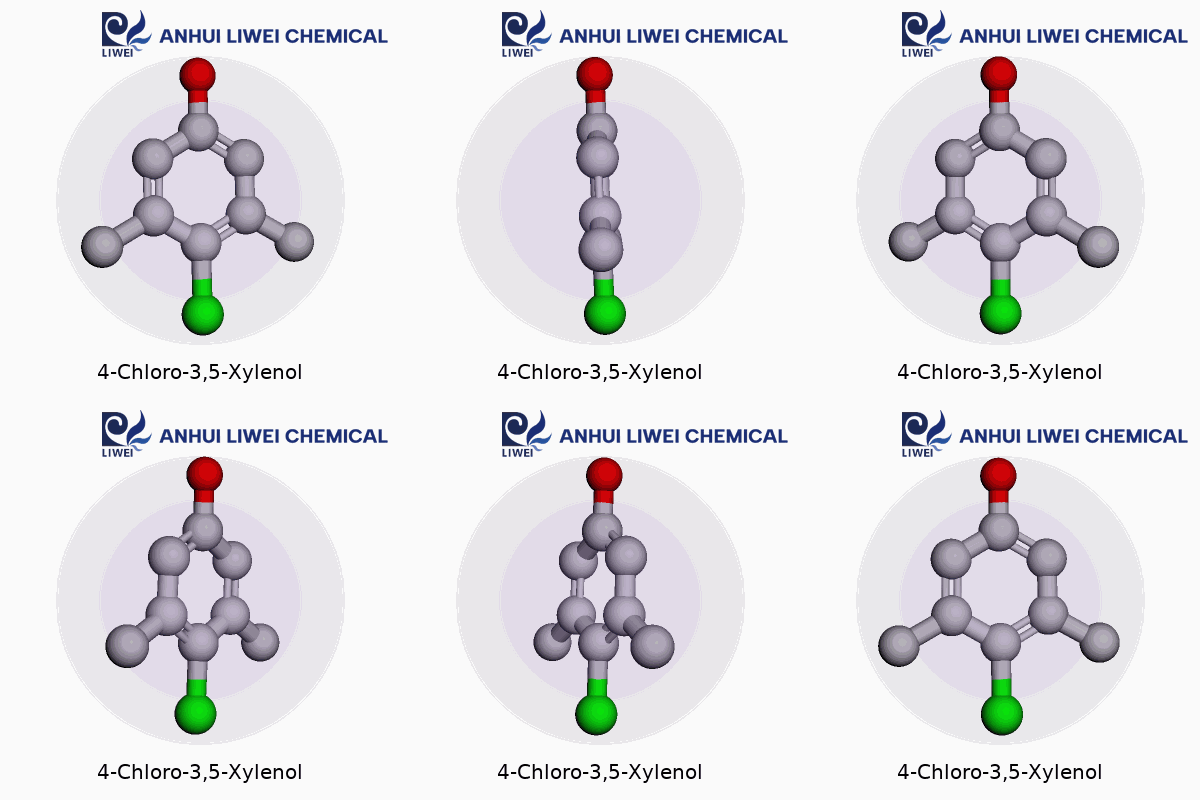
| Names | |
| Preferred IUPAC name | 4-chloro-3,5-dimethylphenol |
| Other names |
PCMX para-Chloro-meta-xylenol p-Chloro-m-xylenol Chloroxylenol Dettol |
| Pronunciation | /klɔːrəʊˌzaɪˈliːnɒl/ |
| Identifiers | |
| CAS Number | 88-04-0 |
| Beilstein Reference | 1918181 |
| ChEBI | CHEBI:72635 |
| ChEMBL | CHEMBL1614728 |
| ChemSpider | 7731 |
| DrugBank | DB02338 |
| ECHA InfoCard | ECHA InfoCard: 03-2119435791-38-0000 |
| EC Number | 604-360-1 |
| Gmelin Reference | 68212 |
| KEGG | C06741 |
| MeSH | D002813 |
| PubChem CID | 6998 |
| RTECS number | GR8750000 |
| UNII | N8ISO3121K |
| UN number | UN3077 |
| CompTox Dashboard (EPA) | DTXSID7020182 |
| Properties | |
| Chemical formula | C8H9ClO |
| Molar mass | 156.62 g/mol |
| Appearance | White to off-white crystalline powder |
| Odor | Phenolic odor |
| Density | 1.16 g/cm³ |
| Solubility in water | Slightly soluble in water |
| log P | 3.3 |
| Vapor pressure | 0.00003 mmHg (25°C) |
| Acidity (pKa) | 8.2 |
| Basicity (pKb) | 13.10 |
| Magnetic susceptibility (χ) | -66.0×10⁻⁶ cm³/mol |
| Refractive index (nD) | 1.567 |
| Viscosity | 160 mPa·s (20 °C) |
| Dipole moment | 3.87 D |
| Thermochemistry | |
| Std molar entropy (S⦵298) | 260.3 J·mol⁻¹·K⁻¹ |
| Std enthalpy of formation (ΔfH⦵298) | -178.7 kJ/mol |
| Std enthalpy of combustion (ΔcH⦵298) | -4097.6 kJ/mol |
| Pharmacology | |
| ATC code | D08AE05 |
| Hazards | |
| Main hazards | Harmful if swallowed. Causes skin irritation. Causes serious eye irritation. Toxic to aquatic life with long lasting effects. |
| GHS labelling | GHS05, GHS07 |
| Pictograms | GHS05, GHS07 |
| Signal word | Warning |
| Hazard statements | H302, H315, H318, H410 |
| Precautionary statements | P261, P264, P271, P272, P273, P280, P302+P352, P304+P340, P305+P351+P338, P312, P332+P313, P337+P313, P362+P364, P403+P233, P501 |
| Flash point | 87.0 °C |
| Autoignition temperature | 285°C |
| Lethal dose or concentration | LD50 oral rat 3830 mg/kg |
| LD50 (median dose) | LD50 (median dose): Oral rat LD50 = 3830 mg/kg |
| NIOSH | GO9000000 |
| PEL (Permissible) | PEL (Permissible Exposure Limit) for 4-Chloro-3,5-Xylenol: Not established. |
| REL (Recommended) | REL: 50 mg/m³ |
| Related compounds | |
| Related compounds |
Chloroxylenol PCMX 4-Chloro-3,5-dimethylphenol 4-Chloro-m-xylenol 3,5-dimethyl-4-chlorophenol |




